
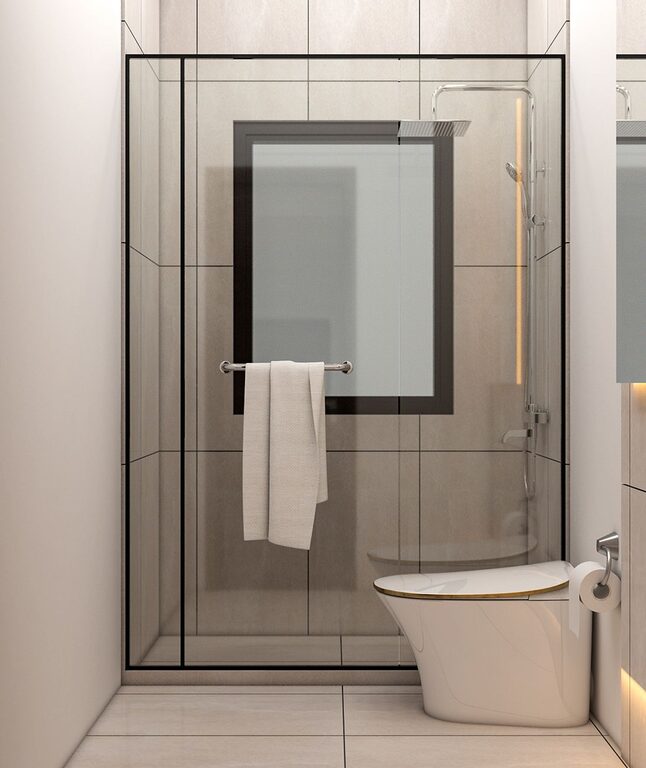
Creating a minimalist bathroom setup can transform your daily routine into a calming, clutter-free experience. Minimalism emphasizes simplicity, functionality, and clean lines, making your bathroom not only more beautiful but also easier to maintain. Whether you have a small or large space, you can apply minimalist principles to create a bathroom that feels open, airy, and refreshing.
In this guide, we’ll walk you through the key steps to achieve a minimalist bathroom design, from choosing the right color palette to smart storage solutions.
Why Choose a Minimalist Bathroom?
Minimalism isn’t just a design trend—it’s a lifestyle choice that focuses on keeping only what you need and love. A minimalist bathroom:
– Reduces clutter and visual noise
– Makes the space easier to clean and maintain
– Creates a sense of calm and relaxation
– Maximizes the feeling of space, even in small bathrooms
Step 1: Start With a Neutral Color Palette
The foundation of a minimalist bathroom is a simple, neutral color palette. Soft, light colors reflect more light and make the room feel larger and more open.
Popular choices include:
– White
– Light grays
– Soft beiges
– Pale blues or greens for a subtle touch of color
Avoid bold or overly bright colors, as these can distract from the minimalist feel. You can add warmth and texture later with natural materials or subtle accessories.
Step 2: Choose Clean-Lined Fixtures and Fittings
Minimalism favors simple shapes and straightforward designs. When selecting your sink, faucet, showerhead, and other fixtures, look for:
– Sleek, modern designs with smooth surfaces
– Matte or polished finishes in chrome, black, or brushed nickel
– Wall-mounted fixtures to save floor space and keep things open
A pedestal sink or a floating vanity can help maintain a clean look by reducing bulk.
Step 3: Declutter and Organize Smartly
A cluttered bathroom is the opposite of minimalist. Keep only essentials out in the open and store everything else neatly.
Tips for decluttering:
– Clear countertops of unnecessary items
– Use drawers with compartments to organize toiletries
– Dedicate a small basket or box for daily-use products
– Regularly evaluate and remove expired or unused products
Step 4: Incorporate Functional Storage
Minimalism doesn’t mean you can’t have storage—it means the storage should be functional and unobtrusive.
Storage ideas for a minimalist bathroom:
– Floating shelves with neatly arranged towels and baskets
– Built-in niches in showers for shampoo and soap
– Medicine cabinets with mirrored fronts to combine storage and function
– Vertical storage to utilize wall space efficiently
Choose storage containers and baskets that match your color palette and keep things tidy.
Step 5: Select Simple, Functional Accessories
Accessories in a minimalist bathroom should serve a purpose and maintain the clean look.
Good accessory choices:
– A simple soap dispenser instead of a bulky bottle
– Minimalist towel hooks or bars
– A small plant for a natural touch without overwhelming the space
– Neutral or natural-colored bath mats and shower curtains
Avoid excessive decoration; instead, let quality, simple pieces shine.
Step 6: Use Natural Light and Soft Lighting
Lighting plays an important role in making your bathroom feel spacious and welcoming.
– Maximize natural light by using sheer window treatments or frosted glass
– Install soft, warm artificial lights that don’t cast harsh shadows
– Consider recessed lighting or wall sconces for even, unobtrusive illumination
Good lighting enhances the minimalist feel and makes your bathroom a pleasant place to be.
Step 7: Add Texture With Natural Materials
Minimalism doesn’t mean sterile or cold. Introduce warmth and texture using natural materials like:
– Wood (vanity, shelving, or accessories)
– Stone or concrete countertops and tiles
– Linen or cotton towels and shower curtains
These elements create visual interest without adding clutter.
Maintaining Your Minimalist Bathroom
Once your minimalist bathroom setup is complete, keep it simple:
– Regularly tidy up surfaces and put items back in their place
– Avoid accumulating unnecessary products or decorative items
– Clean regularly to maintain a fresh and inviting space
By sticking to these habits, your minimalist bathroom will remain a calming retreat for years to come.
—
Creating a minimalist bathroom is about thoughtful choices—selecting functional pieces, limiting clutter, and focusing on clean, simple design. With these steps, you can build a bathroom that supports everyday wellness through beauty and simplicity.