
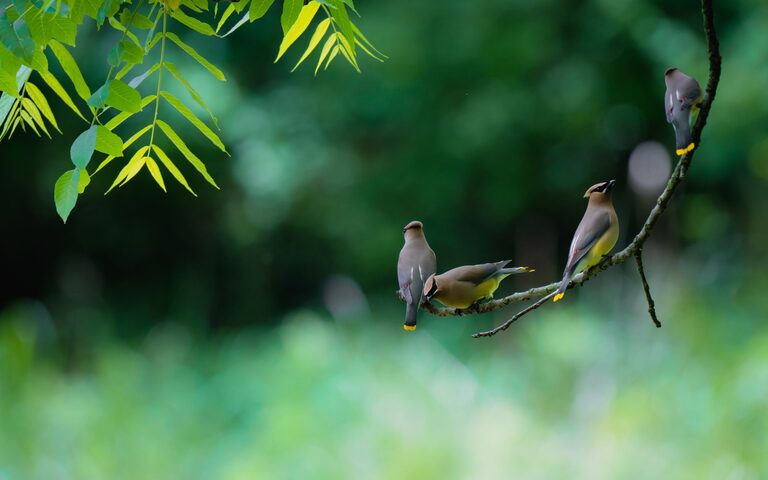
Birdwatching is a rewarding and relaxing hobby that anyone can enjoy, especially right in their own backyard. Watching birds not only connects you with nature but also offers a peaceful way to unwind after a busy day. If you’re new to birdwatching, the good news is you don’t need any fancy equipment or special skills to get started. With just a few simple tips, you can attract a variety of birds and enjoy hours of birdwatching fun. This guide will walk you through everything you need to know as a beginner.
Why Backyard Birdwatching?
Backyard birdwatching is an accessible way to enjoy wildlife without traveling far. It helps you learn about local bird species and their habits while contributing to their wellbeing by providing food and shelter. Plus, it’s a great way to engage the whole family or find a peaceful hobby on your own.
—
Getting Started: Essential Tips for Beginners
1. Create a Bird-Friendly Habitat
Birds are attracted to yards that meet their needs for food, water, shelter, and nesting places. Here are some easy ways to make your backyard inviting:
– Plant Native Trees and Shrubs: These provide natural food sources, cover, and nesting spots.
– Add Bird Feeders: Choose feeders that suit the types of birds in your area. Tube feeders and platform feeders are versatile options.
– Provide Fresh Water: A birdbath or shallow water dish attracts birds needing a drink or a quick bath.
– Offer Nesting Materials: Small twigs, dry grass, and feathers can help birds build nests.
2. Choose the Right Feeders and Food
Different birds prefer different foods, so it helps to offer a variety:
– Black Oil Sunflower Seeds: Loved by many birds including finches and cardinals.
– Suet Cakes: Great for woodpeckers and nuthatches.
– Nyjer (Thistle) Seeds: Perfect for finches.
– Peanuts and Shelled Corn: Attract blue jays and chickadees.
When starting out, consider a seed mix with a high percentage of sunflower seeds to attract a wide range of birds.
3. Find a Good Spot for Your Feeder
Place feeders in safe, visible locations where you can comfortably watch. Ideally:
– Close enough to windows for easy viewing but far enough to prevent collisions.
– Near some bushes or trees so birds feel safe.
– Away from areas with heavy foot traffic or predators.
4. Use a Bird Identification Guide or App
Learning to identify birds makes birdwatching more exciting. Field guides or smartphone apps with photos and descriptions will help you recognize species by color, size, shape, and song.
—
Watching and Enjoying Birds
5. Be Patient and Observant
Birds may take time to discover a new feeder or birdbath. Once they do, sit quietly and watch for their behavior. Notice how they interact with each other, what they eat, and their flight patterns.
6. Keep a Birdwatching Journal
Recording the species you see, dates, and interesting behaviors adds a fun dimension to birdwatching. Over time, you’ll see patterns and seasonal changes.
7. Minimize Disturbances
To keep birds comfortable, avoid sudden movements and loud noises near feeders. If pets are around, keep them indoors or supervised.
—
Bonus Tips for Enhancing Your Backyard Birdwatching Experience
– Add a Variety of Plants: Different plants bloom and produce seeds or berries at various times, offering food year-round.
– Provide Shelter for Winter: Evergreens and brush piles give birds a place to hide from cold weather.
– Avoid Pesticides: Chemicals can harm birds directly or reduce their insect food supply.
– Clean Feeders Regularly: Prevent mold and disease by cleaning feeders every couple of weeks with mild soap and water.
—
Conclusion
Starting backyard birdwatching is simple and enjoyable. With a few basic supplies, some patience, and a willingness to learn, you can transform your yard into a lively bird sanctuary. Whether you enjoy the colors, songs, or the peaceful moments birds bring, this hobby offers a wonderful way to connect with nature every day. So, grab your binoculars or just your eyes, and start watching your backyard birds!
Happy birdwatching!