
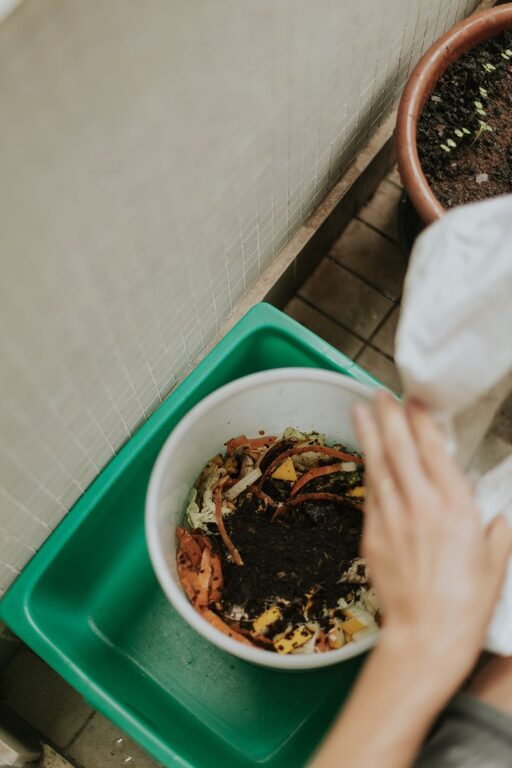
Composting is a fantastic way to reduce waste, enrich your garden soil, and contribute to a healthier environment—all from the comfort of your home. If you’re new to composting, the process might seem a bit confusing at first, but with the right guidance, anyone can get started. This post will walk you through beginner-friendly tips to help you create your own compost pile or bin effectively.
What Is Composting?
Composting is the natural process of recycling organic matter, such as food scraps and yard waste, into a rich soil amendment known as compost. This dark, crumbly material improves soil health by adding nutrients and enhancing moisture retention.
Why Compost at Home?
– Reduces Waste: Diverts kitchen and garden waste from landfills.
– Improves Soil: Compost provides nutrients that plants love.
– Saves Money: Reduces the need for chemical fertilizers.
– Supports Environment: Lowers greenhouse gas emissions from decomposing waste.
Getting Started: Choose Your Composting Method
There are several ways to compost at home. The most common methods include:
1. Compost Bin
A compost bin is a container that keeps your compost tidy and contained. These range from simple DIY bins to commercial plastic or wooden models. Ideal for small yards or balconies.
2. Compost Pile
Simply gather your organic materials in a designated outdoor spot. This method works well if you have a yard and don’t mind a less structured setup.
3. Vermicomposting
Using worms (usually red wigglers) to speed up decomposition. Perfect for indoor spaces or small-scale composting.
Beginner Tips for Successful Composting
1. Balance Browns and Greens
Composting needs a balance of two types of materials:
– Greens: Nitrogen-rich items such as fruit and vegetable scraps, coffee grounds, grass clippings.
– Browns: Carbon-rich materials like dry leaves, shredded newspaper, cardboard, and straw.
Aim for roughly 2 to 3 parts browns to 1 part greens. This balance helps keep the pile from smelling and promotes faster decomposition.
2. Chop or Shred Materials
Breaking down larger pieces before adding them speeds up the composting process. Use scissors or a garden shredder to cut scraps into smaller bits.
3. Keep It Moist but Not Wet
Your compost pile should feel like a damp sponge. If it’s too dry, decomposition slows down; if it’s too wet, it can smell unpleasant and become slimy. Water occasionally during dry weather.
4. Turn the Pile Regularly
Aeration is important because the microbes doing the decomposing need oxygen. Use a garden fork or compost aerator to turn your pile every 1-2 weeks. This improves airflow and prevents odors.
5. Avoid Adding These Items
Some things should not go in your compost because they can cause problems:
– Meat, fish, dairy (can attract pests)
– Oily or greasy foods
– Diseased plants or weeds that have gone to seed
– Pet waste
– Inorganic materials like plastic or glass
6. Be Patient
Composting takes time. Depending on conditions and materials, it can take anywhere from a few months to a year to produce finished compost. Finished compost looks dark and crumbly and smells earthy.
Setting Up Your First Compost Bin at Home
Materials Needed
– Compost bin/container (or space for a pile)
– Kitchen scrap collector (small bin with lid)
– Gardening gloves
– Garden fork or aerator
Steps
- **Select a location:** Choose a spot with good drainage and partial sunlight.
- **Start layering:** Begin with a layer of coarse browns (twigs or straw) for airflow.
- **Add greens and browns:** Alternate small layers of greens and browns.
- **Maintain moisture:** Water occasionally if dry.
- **Turn regularly:** Aerate every week or two.
- **Harvest:** When compost is ready, sift out large pieces and use the finished compost in your garden beds or pots.
Troubleshooting Common Composting Issues
| Problem | Possible Cause | Solution |
|———————-|——————————-|——————————–|
| Foul odor | Too much green or wet materials| Add more browns, turn pile to aerate |
| Pest invasions | Meat or oily foods added | Remove offensive items; cover food scraps with browns |
| Slow decomposition | Pile too dry or compacted | Water and turn pile to aerate |
| Pile too wet/slimy | Excess water, poor drainage | Add dry browns, improve drainage |
Extra Tips for Successful Composting
– Use a kitchen compost pail with a lid to collect scraps easily.
– Include coffee grounds and crushed eggshells for added nutrients.
– Cover fresh food scraps with a layer of brown materials to reduce flies.
– If composting indoors, use a worm bin or bokashi system for odor control.
Final Thoughts
Home composting is an enjoyable and rewarding way to reduce waste and improve your garden. With a little practice and patience, you’ll soon be producing your own rich, natural fertilizer that helps your plants thrive. Start small, keep your compost balanced, and watch your kitchen scraps transform into black gold!
Happy composting!