
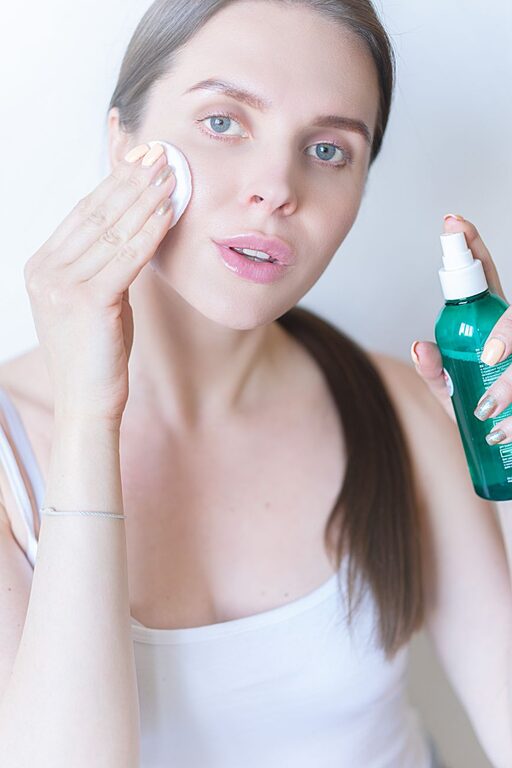
Starting a skincare routine doesn’t have to be complicated or overwhelming. Whether you are new to skincare or looking to simplify your current regimen, establishing a basic routine can make a noticeable difference in your skin’s health and appearance. This guide breaks down the essential steps and offers practical tips to help you begin your journey toward glowing skin.
Why Start a Skincare Routine?
Your skin is the largest organ of your body, acting as a barrier against environmental damage. Daily exposure to pollution, sun, and other factors can take a toll, so caring for your skin protects it and keeps it looking fresh. A consistent skincare routine helps maintain hydration, prevents common issues like dryness and breakouts, and boosts your confidence.
Understanding Your Skin Type
Before selecting products, it’s important to identify your skin type. This will help you choose ingredients and products that suit your skin’s unique needs.
– Normal: Balanced skin with minimal imperfections.
– Dry: Feels tight, flaky, or rough.
– Oily: Shiny appearance with larger pores.
– Combination: Oily in some areas (usually the T-zone) and dry in others.
– Sensitive: Redness, irritation, or reactions to products.
You can do a simple test at home by washing your face and waiting an hour to see how your skin feels or consult a dermatologist for a professional assessment.
The Basic Skincare Routine: 3 Essential Steps
A basic skincare routine involves three fundamental steps: cleansing, moisturizing, and sun protection.
1. Cleansing
Why Cleansing Matters:
Cleansing removes dirt, oil, makeup, and impurities that accumulate on your skin throughout the day. Without proper cleansing, these can clog pores and lead to breakouts.
How to Cleanse Properly:
– Use a gentle cleanser suited for your skin type. Avoid harsh soaps that strip natural oils.
– Wet your face with lukewarm water.
– Apply a small amount of cleanser and massage gently in circular motions.
– Rinse thoroughly and pat your face dry with a clean towel.
When to Cleanse:
– In the morning to remove nighttime oils and refresh your skin.
– At night to remove makeup, sunscreen, and daily grime.
2. Moisturizing
Why Moisturize:
Moisturizers help maintain your skin’s natural barrier and prevent dryness. Even oily skin needs hydration; choosing the right moisturizer is key.
Choosing the Right Moisturizer:
– For dry skin: Cream-based moisturizers with nourishing ingredients like hyaluronic acid or ceramides.
– For oily skin: Lightweight, oil-free, or gel-based moisturizers.
– For sensitive skin: Fragrance-free and hypoallergenic products.
How to Apply:
– Apply moisturizer while your skin is still slightly damp to lock in moisture.
– Use gentle upward strokes on your face and neck.
3. Sun Protection
The Importance of Sunscreen:
Sun exposure is the leading cause of premature aging and can increase the risk of skin cancer. Protecting your skin from UV rays is critical every day, even when it’s cloudy.
Choosing Sunscreen:
– Look for broad-spectrum protection (UVA and UVB).
– Use at least SPF 30 or higher.
– Choose formulas appropriate for your skin type (oil-free for oily skin, moisturizing for dry skin).
How to Use Sunscreen:
– Apply sunscreen generously 15 minutes before going outdoors.
– Reapply every two hours, or after swimming or sweating.
Optional but Beneficial Additions
Once you are comfortable with the basics, you can gradually introduce other skincare steps.
Exfoliation
Exfoliating removes dead skin cells, revealing smoother, brighter skin. Use gentle exfoliants 1–2 times per week to avoid irritation.
– Physical exfoliants: Scrubs with fine particles. Use cautiously to avoid microtears.
– Chemical exfoliants: Products with ingredients like AHAs or BHAs that dissolve dead skin.
Serums and Treatments
Serums contain concentrated active ingredients targeting specific concerns like dullness, fine lines, or acne.
– Vitamin C serums brighten skin.
– Hyaluronic acid boosts hydration.
– Niacinamide helps with redness and uneven tone.
Introduce one serum at a time to observe how your skin responds.
Tips for Success
– Be consistent: Skincare benefits accumulate over time. Stick to your routine daily.
– Patch test new products: To avoid reactions, test on a small skin area first.
– Keep it simple: Avoid overwhelming your skin with too many products at once.
– Stay hydrated and eat well: Your skin reflects your overall health.
– Get enough sleep: Rest helps your skin repair and regenerate.
When to See a Dermatologist
If you have persistent skin issues like severe acne, eczema, or unexplained irritation, consulting a dermatologist is a good idea. They can provide personalized recommendations and treatments.
Final Thoughts
Starting a basic skincare routine is a rewarding step toward healthier, more radiant skin. By focusing on cleansing, moisturizing, and sun protection, you establish a solid foundation that supports your skin’s natural beauty. Remember, patience and consistency are key — your skin will thank you for it!