
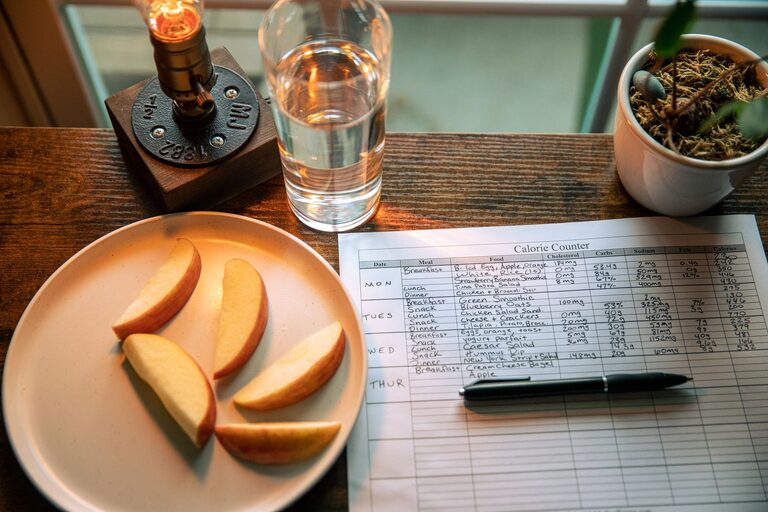
Planning balanced meals doesn’t have to be complicated or stressful. With a few straightforward strategies, anyone can create nutritious, satisfying meals that support a healthy lifestyle. Whether you’re cooking for yourself, your family, or others, organizing your meals ahead of time can save you time, money, and worry. This guide will walk you through easy ways to plan balanced meals without feeling overwhelmed.
What Is a Balanced Meal?
Before diving into planning, it’s helpful to understand what makes a meal balanced. A well-balanced meal typically includes:
– Proteins: Essential for muscle repair and growth. Examples include lean meats, fish, eggs, beans, and tofu.
– Carbohydrates: Your body’s main energy source. Opt for whole grains, fruits, and vegetables rather than refined carbs.
– Fats: Important for brain health and hormone production. Focus on healthy fats like avocado, nuts, seeds, and olive oil.
– Vegetables and Fruits: Provide important vitamins, minerals, and fiber.
– Hydration: Drinking water or herbal teas is also key to a balanced eating plan.
Knowing these components can help you make better choices when putting meals together.
Step 1: Start with a Simple Meal Plan
Creating a plan helps you avoid last-minute decisions and unhealthy options. Here’s how to begin:
Choose Your Meals for the Week
Start by picking a few recipes or meal ideas for breakfast, lunch, and dinner. Aim for variety but keep it manageable. For example, you might select three dinner recipes to rotate throughout the week.
Keep It Realistic
Don’t try to overhaul your entire diet at once. Make small changes and gradually add more balanced meals.
Use a Template
Write out your meal plan on paper, use an app, or create a spreadsheet. Having a visual reference makes grocery shopping and cooking easier.
Step 2: Create a Grocery List
Once your plan is ready, list the ingredients you’ll need. Organize the list by food category—produce, proteins, grains, dairy, etc.—to make shopping efficient.
Tips for Stress-Free Shopping
– Check your pantry first to avoid buying duplicates.
– Choose versatile ingredients used in multiple meals.
– Consider frozen fruits and veggies—they last longer and reduce waste.
Step 3: Prep Ahead of Time
Meal prepping can save a lot of time during busy days.
Batch Cooking
Cook large portions of staples like rice, quinoa, or roasted vegetables that can be used in different meals.
Wash and Chop
Prepare fruits and veggies in advance so they’re ready to eat or cook.
Portion Meals
Divide cooked food into containers for quick grab-and-go options.
Step 4: Build Balanced Plates Easily
When assembling meals, use the “plate method” as a simple guide.
– Fill half your plate with vegetables or salad.
– Allocate one quarter to lean protein.
– Use the remaining quarter for whole grains or starchy vegetables.
This visual method helps you keep meals balanced without measuring every ingredient.
Step 5: Keep It Flexible and Enjoy the Process
Meal planning is a tool to simplify your life, not restrict it.
– Be flexible if plans change or cravings arise.
– Experiment with new recipes to keep meals interesting.
– Don’t stress about perfection—focus on progress and nourishing your body.
Bonus Tips for Balanced Meal Planning
– Snack Wisely: Include healthy snacks like nuts, yogurt, or fresh fruit to keep energy steady.
– Stay Hydrated: Drink water throughout the day alongside meals.
– Listen to Your Body: Eat when hungry and stop when satisfied.
– Get Family Involved: Planning and cooking together can make meals more enjoyable and reduce stress.
– Limit Processed Foods: Emphasize whole, minimally processed foods for better health outcomes.
Conclusion
Planning balanced meals doesn’t need to be a stressful experience. By understanding the components of a balanced meal, creating a simple plan, shopping smartly, prepping ahead, and staying flexible, you can enjoy nourishing food that supports your wellbeing. Start small, find what works for you, and make meal planning a positive part of your routine.
With these tips, mealtimes can become a time of enjoyment rather than pressure, helping you and your loved ones lead healthier, happier lives.